 USA
USA  Canada
  Brazil
  Germany
  France
  Italy
Italy  Switzerland
  Sweden
  Spain
Spain  Great Britain
  Norway
  Russia
  Japan
Japan  New Zealand
  Australia
The right men's leather trench coat for daily use is the one whose length, fit, leather and lining match how you actually move through a normal week: commuting, sitting at a desk, stepping in and out of cars and trains. Choose a length that clears the seat of a car or a chair without catching, a shoulder and sleeve fit that allows a jacket or knit underneath, a leather that suits your climate, and a belt and closure setup you will really use. Everything below turns those four decisions into a checklist.
Key Takeaways
- Decide the length first: it drives how the coat behaves when you sit, drive and climb stairs.
- Fit the shoulders and sleeves over the layers you wear most, because those are the hardest parts to alter.
- Match the leather finish and lining to your climate and how long you wear the coat each day.
- Check the pockets, belt and closures against your daily carry before you worry about styling details.
- Follow the garment's care label; the right care depends on the finish and construction.
Why a Trench Shape Suits Daily Wear
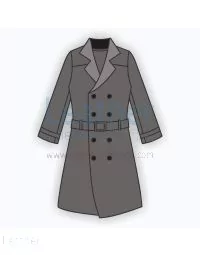
According to the National Army Museum, Burberry designed a lightweight raincoat for soldiers in 1901, with shoulder epaulettes so an officer could display his rank, and officers kept wearing their coats after the First World War. Wikipedia's overview describes the classic details: a double-breasted front, a self-belt, a storm flap, buttoned pockets and D-rings that originally held map cases and other equipment.
Those details explain why the shape still works every day. The belt lets one coat sit open on a mild morning or cinched when the wind picks up, the double front gives a wide overlap across the chest, and the pockets keep the essentials within reach. A leather version keeps the same outline and swaps the cloth for a material that blocks wind and has its own character.
Choose the Length First
Length decides how practical a trench is, so settle it before anything else. The common options each suit a different routine.
| Length | Where it works well | What to watch |
|---|---|---|
| Knee length | Commuting, driving, sitting at a desk, crowded trains | Less coverage in heavy rain or wind |
| Mid-calf | Walking commutes, dressier settings, cooler weather | Hem can brush the ground on stairs; check it when seated |
| Ankle or floor length | Statement wear and shorter outings | Needs care in cars, on stairs and in wet conditions |
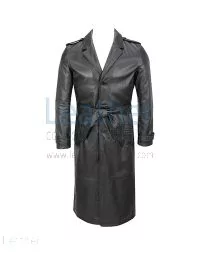
A simple test: sit down in the coat, fold your knees as you would in a car seat and see whether the front panels bunch or pull. A long trench such as the makes a strong silhouette, but anyone who drives or takes public transport every day should try the hem while seated before deciding on that length.
Check Fit Over the Layers You Wear
Shoulders and sleeves
The shoulder seam should sit at the edge of the shoulder bone, not slide down the arm. Leather has less give than cloth, so a coat that feels tight across the upper back when you reach forward will stay that way. The sleeve should end around the wrist bone with your arms relaxed, and still reach the wrist when you extend them to a steering wheel or a keyboard.
Chest and waist
Try the coat over the heaviest layer you plan to wear, such as a knit or a blazer, and fasten the front. The belt then adjusts the waist, but it cannot fix a chest that is too narrow. If you wear the coat mostly open, the fit through the shoulders and the way the front panels hang matter more than the waist.
Made-to-measure as an option
Men with long arms, broad shoulders or an unusual height often find that off-the-rack sizing forces a compromise. A made-to-measure route can reduce that compromise because the coat is cut to your numbers; the page shows how that option works. For made-to-measure, follow the shop's measuring instructions (a second person, bare skin, flexible tape); for a ready-made coat, compare your measurements with that coat's size chart and allow room for the layers you wear.
Match the Leather and Lining to Your Climate
Leather type and finish change how a coat looks, feels and wears, so ask the maker which leather a coat uses, how thick it is and how it should be cared for.
Lining matters as much as the leather. A light lining suits cool-season commuting and warmer offices, while a heavier or removable one gives more range in winter. If you move between cold streets and heated rooms several times a day, choose a coat that can be worn open without looking unfinished.
Details That Matter in Daily Use
- Pockets: check that they are deep enough for a phone, keys and gloves, and that a loaded pocket does not distort the front line.
- Closures: a double-breasted front with buttons is traditional; a zip or hidden placket can be quicker if you put the coat on and off often.
- Belt: a belt that can be removed or tied behind gives more options when driving or carrying a bag.
- Collar: a collar that stands up helps in wind; a flatter one sits better under a scarf.
- Worn open: on mild days the front can stay open, which shows the lining and front panels, so the hang of the hem matters.
- Vent: a back vent or generous hem sweep makes walking and sitting easier.
Colour and Styling for the Week
Black and dark brown pair easily with most work and weekend clothes, which is why they are the usual starting point for a coat worn several times a week. Lighter tones such as tan echo the traditional khaki trench but show marks more readily. Daily wear is more about repeatable outfits than about any single reference.
Wear the coat over a knit and trousers for an office-friendly outfit. For a casual weekend, leave the belt loose and open the front over a plain shirt or hoodie.
Trench Coat or Car Coat?
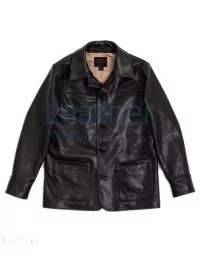
A trench has a belt, storm flap and a longer line. A car coat is usually shorter, around the hip or thigh, and easier to wear while driving or sitting for long periods. If your day is mostly in a car or at a desk, a shorter style such as the can be more comfortable than a full trench, while the trench suits those who walk a lot and want more coverage.
Care Basics for a Daily Coat
A coat worn every day meets rain, car seats and bag straps. As general practice, and subject to the care label, hang it on a wide hanger so the shoulders keep their shape, let it dry naturally if it gets wet, and keep it away from direct heat. For cleaning and conditioning, follow the maker's instructions, because the right product depends on the leather's finish and construction.
Frequently Asked Questions
What length of leather trench coat suits commuting?
Knee length is the usual choice for daily commuting because it clears the seat on trains and in cars and stays manageable on stairs. Mid-calf offers more coverage on walking commutes. Whatever length you consider, try it seated and check the hem and front panels before deciding.
Should a leather trench coat be fitted over a jacket?
Yes, if you plan to wear it over a blazer or heavy knit. Leather has less stretch than cloth, so the shoulders and chest need room for the thickest layer you expect. The belt can tighten the waist, but it cannot create space across the shoulders.
How do I look after a leather trench coat worn daily?
Ask the maker before using any cleaner or conditioner, because the right method depends on the finish and construction of the leather. The care label comes first. For a coat worn daily, a wide hanger and slow natural drying away from heat are the usual habits, and a leather specialist can advise if the finish looks dry or marked.
Written by the Leather Collection Editorial Team.